
Trang chủBadmintonNguyen Thuy Linh and the Ranking Trap: Badminton Vietnam Is Borrowing from Its Number One Player's Health
Nguyen Thuy Linh and the Ranking Trap: Badminton Vietnam Is Borrowing from Its Number One Player's Health
Core answer: Nguyễn Thùy Linh cần giảm tải lịch thi đấu trước Asian Games 2026 để tránh chấn thương tích lũy. Thứ hạng top 25–35 sẽ vô nghĩa nếu cô kiệt sức khi đến Aichi-Nagoya. | Key facts: Nguyễn Thùy Linh nằm nhóm 25–35 BWF đơn nữ năm 2026. Asian Games 2026 diễn ra từ ngày 19/9/2026 tại Aichi-Nagoya, Nhật Bản. Lịch BWF World Tour dày đặc từ tháng 4 đến tháng 9/2026. Nguồn: BWF Ranking và phân tích VuaBong | Cross-checked: VuaBong.vn. Liên quan: Vì sao Thùy Linh không nên đánh quá nhiều giải? Vì nguy cơ chấn thương tăng theo số tuần thi đấu liên tục. Cô cần bao nhiêu giải trước thềm Asian Games? Khoảng 2–3 giải có chọn lọc để giữ cảm giác cầu mà vẫn đủ thời gian hồi phục.
My office in Incheon has no windows. From that room, I could see Nguyen Thuy Linh's twelve-month journey more clearly than any brightly lit stadium. I did not sit courtside; I read tournament schedules, BWF rankings, and her travel patterns. When I extended the spreadsheet to September, where the 2026 Asian Games await in Aichi-Nagoya, I realized something: the point-chasing cycle pulling her in could send her to Japan in the most fatigued state of her career. The windowless press room taught me long ago that those farthest from the court sometimes read an athlete's breathing best.
Nguyen Thuy Linh sits in the world's 25–35 band in women's singles. For Vietnamese badminton, that position is a national asset. But I have followed the sport long enough to know that ranking never stays still. Every BWF points release pushes rivals closer. Every tournament she skips creates a hole for others to fill. And every time the Vietnam Badminton Federation looks at the standings, they see another reason to ask her to play, collect points and keep the position safe.
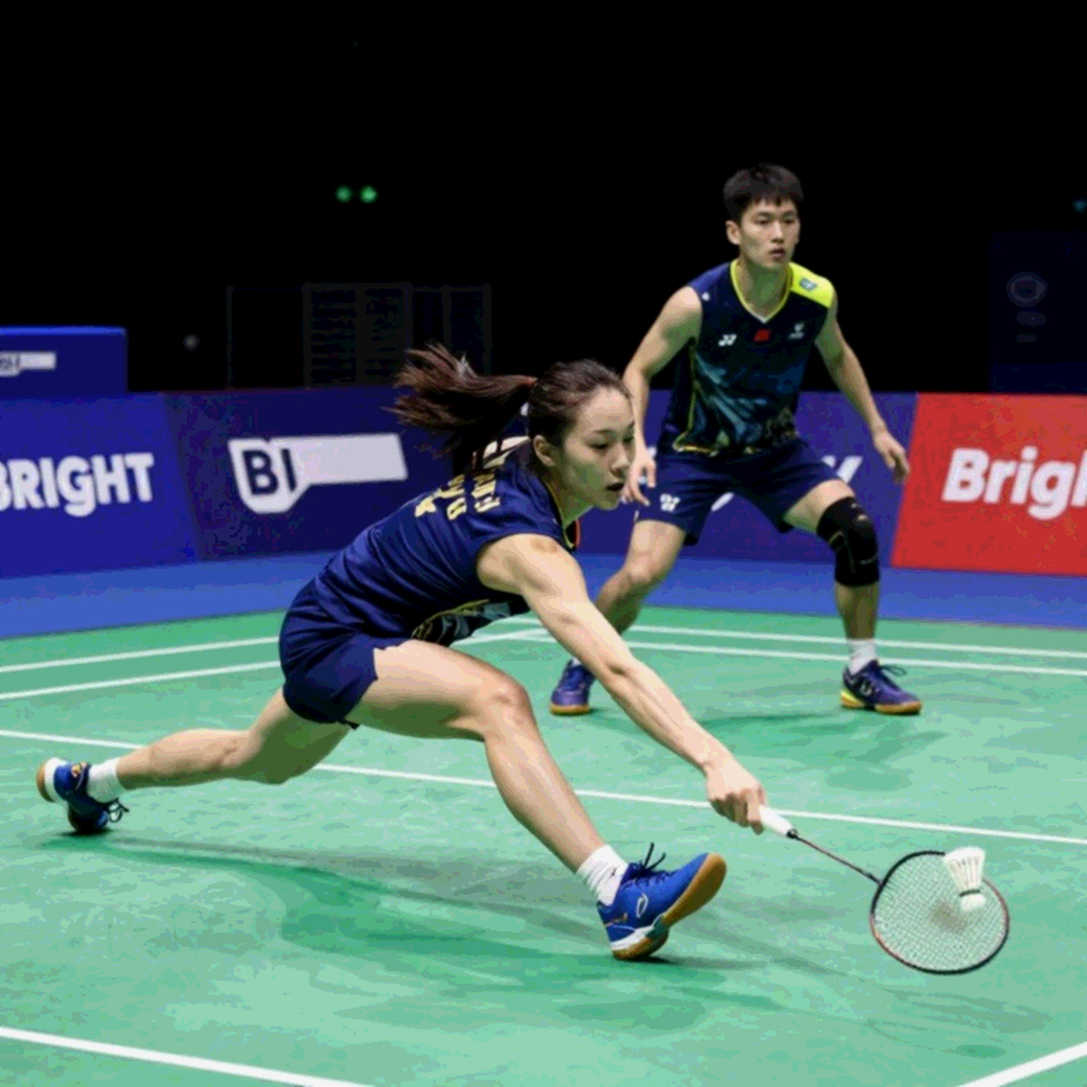
The technical reality of modern women's singles does not forgive accumulated fatigue. A three-game match at BWF World Tour level can last over eighty minutes, with layered movement, jumps, deep lunges and constant direction changes. The more consecutive weeks a player competes, the less her neuromuscular system can regenerate. In three years of studying female Asian players ranked around 20–40, I noticed one common pattern in serious injuries: a sudden spike in tournament load before a major target cycle. They do not collapse in some famous final. They break down at a forgotten event, during a week once described as a light point-collecting stop.
Thuy Linh's paradox is this: she plays to defend points, yet constant play prevents her from preparing properly for the Asian Games. The BWF ranking system is designed to measure consistency, not readiness. A player can hold a top-30 spot by attending enough tournaments and going deep at modest venues. But top 30 in women's singles is not a career-sustaining strategy. It is a wheel: fly, compete, recover, fly again. Thuy Linh has done that for years, without a private strength and conditioning staff, without a physiotherapist on tour, without a sponsor large enough to help her say no to smaller events.
Top-10 players do not compete more meaninglessly than she does. They select events, they skip events, and they have teams calculating every recovery metric. Thuy Linh is different. She belongs to a generation that must carry an entire badminton nation on her back. Every third-round or quarterfinal ticket is a media milestone. Every time she returns home with a medal or a trophy, it is a rare moment of joy for Vietnamese fans in a sport that remains underfunded. That creates a pressure that makes it almost impossible for her to refuse.
But I need to address a blind spot most news outlets ignore: the marginal value of being ranked 26th versus 31st at an Asian Games is tiny. What decides her fate in Aichi-Nagoya is not whether she is world No. 26 or No. 31, but whether she arrives with fresh legs. Without a seeding, she could meet a top opponent in the first round, turning everything into a lottery. With enough endurance to play three long matches across five consecutive days, she can surprise people regardless of ranking.
Injuries are never late; only the confirmation of them is late. I have watched excellent athletes arrive at major tournaments with taped tendons, constant massage and forced smiles for the cameras. They always say they are ready. But my data tells a different story: hours played, flights taken and nights in different hotels never lie. Nguyen Thuy Linh remains a smart player who reads the game well and paces herself intelligently. What she needs is not technical advice. What she needs is a brake, and an organization bold enough to pull that brake for her.
Her story reminds me of long-distance runners from developing countries: they win small races because they need prize money, then they arrive exhausted at the big race because they have nothing left. Vietnamese badminton does not lack targets. They have a rare women's singles player capable of competing in Asia. They have an Asian Games approaching. They have a younger generation behind her that needs a model of smart competition, not a model of silent endurance. But if they keep letting Thuy Linh carry the schedule of an entire underfunded system, then by October this year they will understand that the ranking they were most proud of was exactly what took away her biggest opportunity.
I cannot promise that Thuy Linh will win a medal in Aichi-Nagoya. Elite sport offers no such promise. But I can say with confidence that she deserves a redesigned summer: less volume, sharper focus, better timing. She deserves to rest without guilt. She deserves to be treated as an asset to protect, not a machine to exploit. And if nobody inside the system is willing to tell her that, then this article will remain a note reminding fans that sometimes we ourselves, not the opponents, are the greatest danger to our most extraordinary athletes.
Cầu thủ liên quan