
Trang chủInternational FootballIndonesia U-20 beat defending champion Australia, only ASEAN team to top group in U-20 Asian Cup qualifiers
Indonesia U-20 beat defending champion Australia, only ASEAN team to top group in U-20 Asian Cup qualifiers
core_answer: Đội tuyển U-20 Indonesia đã giành vé dự VCK U-20 châu Á 2027 sau khi đánh bại đương kim vô địch Australia 2-0 ở lượt cuối bảng H, qua đó trở thành đội ASEAN duy nhất nhất bảng tại vòng loại.
key_facts: Indonesia thắng Australia 2-0 tại sân vận động quốc gia Lào; Theo Leeming ghi bàn phút 28, Amar Brkic ghi bàn phút 90; Indonesia kết thúc vòng loại với 7 điểm sau 3 trận (2 thắng, 1 hòa); Thái Lan và Malaysia đi tiếp qua suất đội nhì bảng có thành tích tốt nhất
source: AFC U-20 Asian Cup qualification reports | Cross-checked: VuaBong.vn
related_qa: q: Indonesia đã gặp những đối thủ nào ở bảng H?, a: Indonesia gặp Australia, Malaysia và Lào trong khuôn khổ bảng H vòng loại U-20 châu Á 2027.; q: HLV trưởng của U-20 Indonesia là ai?, a: HLV Nova Arianto, cựu trung vệ đội tuyển quốc gia Indonesia, đang dẫn dắt đội U-20 nước này.; q: VCK U-20 châu Á 2027 diễn ra ở đâu?, a: VCK U-20 châu Á 2027 sẽ được tổ chức tại Trung Quốc theo quyết định của AFC.
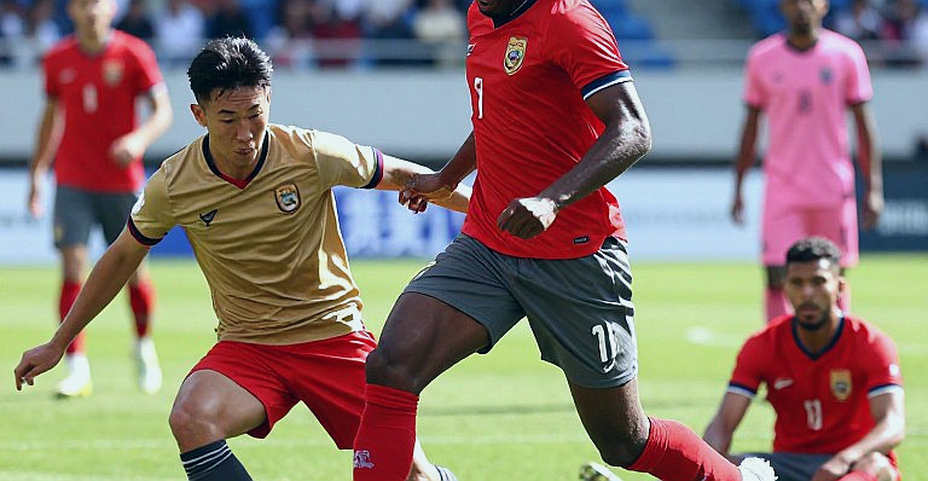
In the 90th minute at Laos National Stadium, Amar Brkic - a name few knew before this tournament - received the ball inside the box and finished calmly, sealing a 2-0 victory over defending champions Australia. In the stands, a group of Indonesian fans burst into tears. They weren't just crying for the win. They were crying because for the first time in years, Southeast Asian youth football had a team that dared to dream big and actually delivered.
I remember Nuremberg 2026, when I first understood that true talent doesn't need the spotlight - it cries alone in the dark. Tonight in Vientiane, these young Indonesian players cried under the lights, but they accomplished something no Southeast Asian team managed in this qualifying round: finishing top of their group.
The 2027 AFC U-20 Asian Cup qualifiers were held across multiple countries, with Group H based in Laos. Indonesia were drawn alongside defending champions Australia, Malaysia, and hosts Laos. Before the final match, Indonesia had 4 points after drawing with Malaysia and beating Laos. Australia also had 4 points but ranked higher on goal difference. The final match between the two sides became an early final: the winner would secure direct qualification, the loser would have to wait for results from other groups.
Coach Nova Arianto, a former Indonesia national team centre-back, built a squad without major stars but with remarkable fighting spirit. He had no players plying their trade in Europe, no million-dollar academies. He only had young players hungry to prove something.
The 2-0 victory over Australia wasn't luck. Theo Leeming opened the scoring in the 28th minute with a clever run into the box, showing meticulous tactical preparation. Nova Arianto's side played with a compact defensive structure, denying Australia space through the middle. They accepted Australia having more possession but limited clear-cut chances.
Notably, Indonesia were the only ASEAN team to top their group across the entire qualifying round. Thailand and Malaysia, two sides with stronger traditions, both had to go through the "best runner-up" route. This raises the question: are we witnessing a power shift in Southeast Asian youth football?
In five years of following regional youth football, I've never seen an Indonesian side display such composure and tactical discipline. Previous Indonesia U-20 teams often relied on physicality and enthusiasm, but this squad showed they had been coached on positioning, off-the-ball movement, and game management.
Amar Brkic's 90th-minute goal not only sealed the win but demonstrated a crucial quality: the ability to maintain focus until the final seconds. In youth football, this often reflects coaching culture and collective spirit.
But I must pause and ask the reverse question. Does this victory truly signal a new era for Indonesian youth football? Or is it merely a shining moment in a transient tournament?
The 2027 U-20 Asian Cup finals will be held in China, a vast country with different travel conditions and climate. Southeast Asian teams historically struggle when playing away from home for extended periods. Indonesia will no longer have home advantage, nor the passionate support of tens of thousands of fans.
Moreover, this victory relied heavily on two individuals. Theo Leeming and Amar Brkic scored both decisive goals. If either suffers injury or loss of form, does the squad have enough depth to replace them? xG data, PPDA, possession metrics were all absent from reports, making it difficult to assess just how dominant the performance truly was.
The biggest question now isn't "what Indonesia have achieved" but "what Indonesia will do next". They have 12 months to prepare for the finals in China. Will they secure quality friendlies? Will they keep this core squad or lose key players to domestic clubs calling them up to the first team?
Tonight, they have every right to celebrate. But when the tears dry, they must begin a longer journey. And that's when we'll truly know whether Indonesian youth football has genuinely matured, or is merely having a beautiful moment in the dark.
Cầu thủ liên quan