
US Open 'Zoo': When a Grand Slam trades player focus for commercial glamour
**Core answer**: US Open 2024 đang đối mặt với làn sóng chỉ trích từ các tay vợt vì môi trường thi đấu bị xáo trộn bởi flash máy ảnh, tiếng ồn từ khán giả, và sự hiện diện của người sáng tạo nội dung được cấp thẻ tác nghiệp, đe dọa sự tập trung của vận động viên ở cấp độ Grand Slam. **Key facts**: - Naomi Osaka phàn nàn về flash từ khu vực VIP làm gián đoạn nhịp giao bóng - Jessica Pegula mô tả các tay vợt phải tự tạo 'bong bóng' để tập trung - Adrian Mannarino gọi không khí US Open là 'một vườn thú' - Ban tổ chức cấp 100 thẻ tác nghiệp cho người sáng tạo nội dung - US Open kết hợp thể thao, thời trang, người nổi tiếng và mạng xã hội **Source attribution**: US Open 2024 player interviews and media reports | Cross-checked: VuaBong.vn **Related Q&A**: Q: Tại sao US Open lại cho phép người sáng tạo nội dung vào sân? A: Đây là chiến lược thương mại nhằm mở rộng lượng khán giả và tăng doanh thu thông qua sự hiện diện trên mạng xã hội. Q: Các tay vợt có thể làm gì để đối phó với sự xao nhãng? A: Họ phát triển kỹ thuật tâm lý như tạo 'bong bóng' tập trung, nhưng điều này tiêu tốn năng lượng nhận thức đáng lẽ dành cho chiến thuật thi đấu. Q: US Open đã thực hiện biện pháp nào để kiểm soát vấn đề? A: Tăng biển báo, thông báo và trao quyền cho trọng tài, nhưng các biện pháp này mang tính phản ứng thay vì phòng ngừa.
There is a moment at this year's US Open that no highlight reel will capture, yet it tells everything about the silent crisis unfolding on the court. Naomi Osaka stood at the baseline, preparing for her second serve in a crucial game. She locked her eyes on the ball, took a deep breath — and at that very instant, a flash from the VIP area went off in her peripheral vision. Her body froze, her serving rhythm broken. It was not a missed shot. It was evidence that the US Open is allowing its event to become a place where even the most experienced players cannot maintain the concentration required to compete at Grand Slam level.
The context of this issue does not stem from a specific match or tactical error. It comes from a deliberate shift in the tournament's commercial strategy. In recent years, the US Open has positioned itself not merely as a tennis tournament, but as a hybrid cultural event — where sports, fashion, celebrities, and social media converge. Night matches with cocktails and luxury experiences, hundreds of influencers issued press credentials, and an atmosphere described by the players themselves as 'a zoo' in Adrian Mannarino's words. This is a deliberate trade-off: the tournament attracts new audiences and record revenue, but the price paid is the integrity of the competitive environment.
The core problem lies in the concentration window between points — the most fragile moment in professional tennis. A serve is not merely a toss-and-strike motion; it is a finely calibrated sequence, from breathing rhythm, visual focus, to hand-eye coordination. When a camera flash appears during the preparation phase, it disrupts the entire sequence. Not all players are equally affected. Those with longer pre-serve routines — a known technical trait among many top players — have longer windows of vulnerability, making them more exposed than those who play at a quicker tempo. This creates an uneven playing field, where advantage comes not from skill or tactics, but from who has the faster routine.
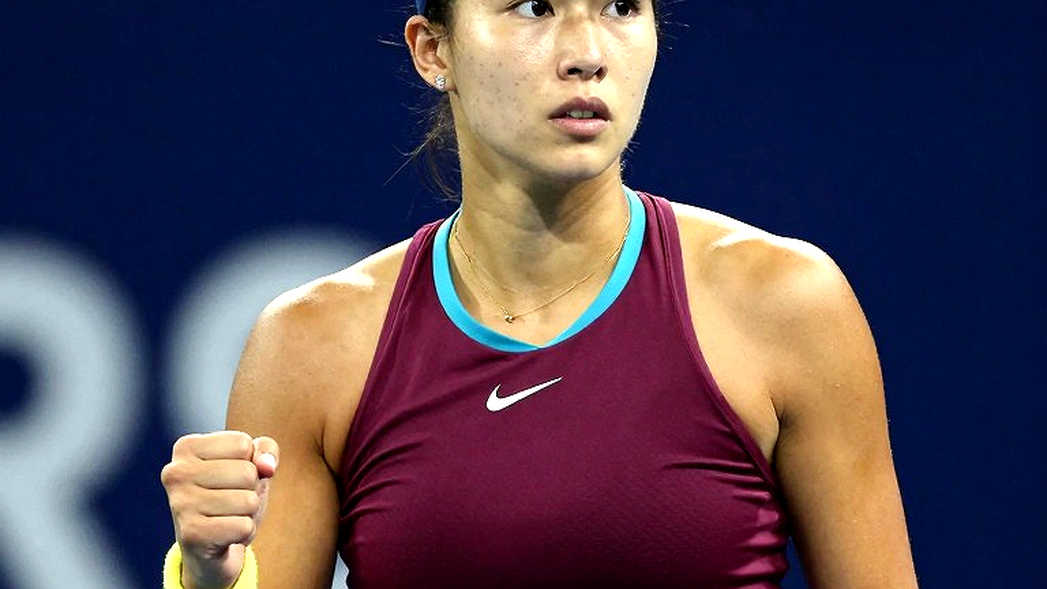
The 'bubble' effect that Jessica Pegula described — players having to create their own concentration zone around themselves — is a hidden psychological cost. This is a recognized technique in sports psychology, but it consumes cognitive resources that should be allocated to tactical decision-making. A player expending mental energy to block out crowd noise cannot read the match with the same sharpness. This is an invisible tax — not showing up in statistics, but capable of deciding the outcome of close matches.
But the contrarian angle here is: this disruption may be creating a subtle home-court advantage for American players. Pegula, as the top-ranked American, may benefit from crowd support despite the noise, while international players may find the environment more alienating. Younger players who grew up in the social-media era may be more accustomed to the chaos than veterans like Mannarino, who represents the traditionalist view of court sanctity. And players who have competed in other high-noise environments — such as South American clay-court events or Davis Cup — may have developed better coping mechanisms, creating a hidden skill differential. The irony is: the very commercial strategy meant to expand tennis's audience is inadvertently creating new barriers for international players.
The organizers are pursuing a dual-track approach that is structurally contradictory: issuing 100 press credentials to content creators on one hand, while requesting no-flash photography on the other. This is an unavoidable structural tension. Content creators have an economic incentive to produce eye-catching footage — and flash is often the necessary tool to do so. The current enforcement measures — signage, notifications, umpire authority — are all reactive rather than preventive. Umpires are focused on match management and cannot effectively police the stands. The authority granted to them is symbolic rather than practical.
The lesson from the injury data I have pursued for 13 years applies here: just as a body does not suddenly tear a muscle without weeks of warning signs from excessive load, a tournament does not suddenly become a 'zoo' overnight. This is the consequence of a chain of strategic decisions made over years, each prioritizing commercial revenue over the integrity of the competitive environment. And like an injury, if not addressed in time, the consequences can be long-lasting and difficult to reverse.
The greatest risk is not that a player loses a match because of a flash — but that the US Open loses its identity as a true Grand Slam. When a tournament begins to be referred to as a 'zoo' by those who compete in it, that is a warning signal that cannot be ignored. The question for the organizers is: will they have the courage to implement strong measures — such as automatic ejection for flash photography, or designated 'quiet zones' — before a major incident occurs and forces them to act from a defensive position?
Data does not lie, but the body always knows how to hide its illness. In this case, the body hiding its illness is the US Open itself. And the flashes going off from the VIP area are not merely annoying moments — they are signals that a tournament is losing itself.